Kill The Shadow Build Planner
Allocate Strength, Spirit, and Charm—interactive widget on this page.
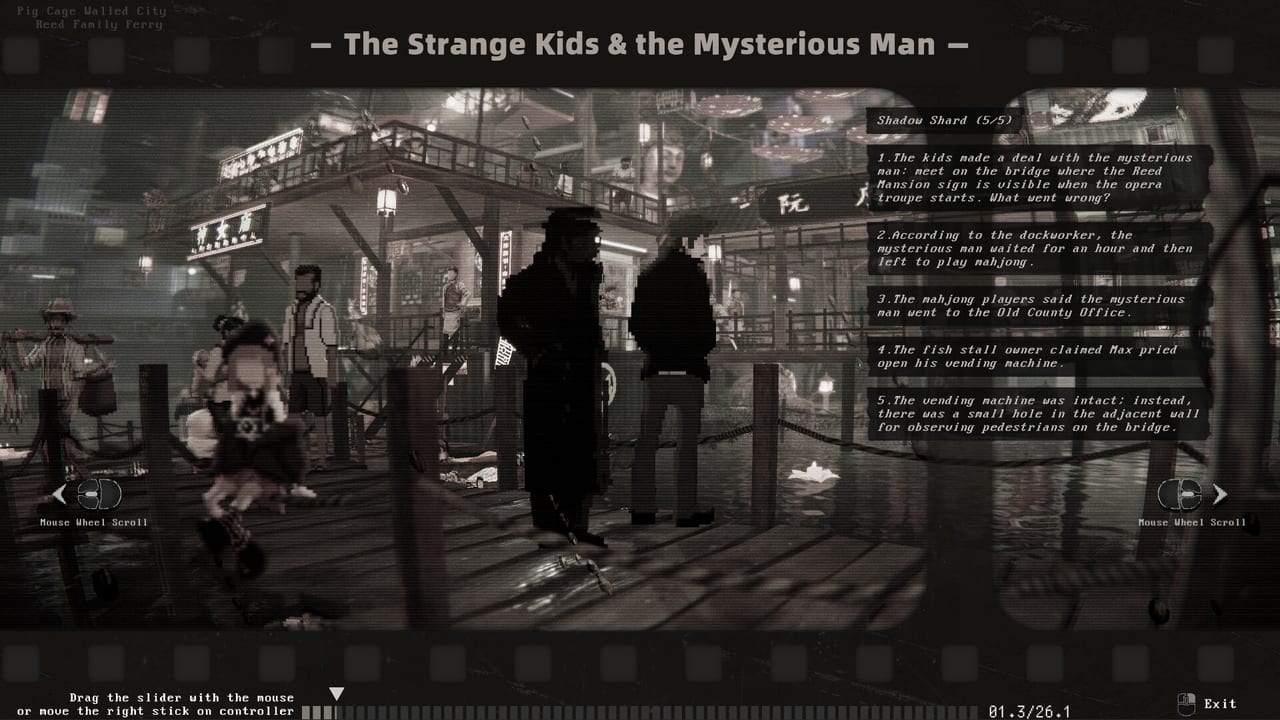
Allocate points to preview how Lucas approaches suspects.
Build summary
Likely interrogation style
Lucas grows through three attributes in Kill The Shadow, the cyber-noir detective RPG from Shadowlight and Phoenix Game: Strength, Spirit, and Charm. Each point shifts which interrogation branches appear when you press Captain Theo for leads, stare down Axel Flint on Shipwreck Wharf, coax Kiki into sharing photos, or negotiate with Auntie Bass between market stalls. Wrong spreads do not soft-lock the game—but they grey out dialogue you may want for specific endings.
This Build Planner page hosts an interactive widget below the article text where you allocate points among Strength, Spirit, and Charm, watch remaining budget counters, and read a generated summary of Lucas’s likely interrogation style. Use it as a sandbox before committing in the demo or full August 2026 release.
How to use the Build Planner widget
When the page loads, scroll to the interactive Build Planner section embedded on this page. You will see:
- Three attribute tracks — Strength, Spirit, Charm with increment controls.
- Points remaining — Total budget reflecting typical leveling windows (adjust as you experiment; full-game totals exceed demo caps).
- Build summary — Plain-language readout of whether Lucas leans intimidation, psychological pressure, or social manipulation.
- Interrogation style hint — Short guidance tying spreads to NPC approaches—pair with Key NPCs names mentally.
- Reset — Clear allocations to test another hypothesis quickly.
The widget is informational, not a save editor. It does not modify Steam cloud saves. Replicate successful spreads manually in-game.
Strength, Spirit, Charm explained
Strength
Strength governs force—physical intimidation, aggressive evidence presentation, and options that make dockworkers or factory security flinch. High Strength Lucas excels at Shipwreck Wharf confrontations with Axel Flint’s associates and shuttered factory standoffs where Charm would be laughed off.
Tradeoff: Strength can burn social bridges with Mrs. Reed or the Priestess if used as a first resort in Old Town.
Spirit
Spirit covers psychological insight—calling bluffs, reading guilt, and dialogue that pierces performance. Spirit-heavy builds shine when Master Reed disappearance threads turn on fair timing contradictions or when Kiki’s photos need interpretive follow-up rather than bribery.
Tradeoff: Spirit without Strength may fail when Pig Cage enforcers only respect force.
Charm
Charm handles persuasion, empathy, and bribery—buying Auntie Bass gossip, flattering Chiffon, or keeping Rafe Carter cooperative across districts. Charm routes often avoid violence flags that affect late-game reputation with Captain Theo.
Tradeoff: Charm may not open intimidation shortcuts when clocks run tight on Wharf smuggling leads.
Deep system context: How to Play and Lucas profile.
Sample planning scenarios
Wharf-focused chapter — Temporarily overweight Strength in the widget; read summary; compare against Districts — Shipwreck Wharf tips.
Old Town fair case — Push Spirit and Charm; verify summary mentions psychological and social tools before interviewing the Priestess.
Balanced detective — Even split for first playthrough if you fear missing icons; accept that specialist endings may require later replays.
Demo transfer — Mirror demo choices in the widget; note missed branches; plan retail differently. Demo Review covers demo point caps.
Linking to Builds pages
The Builds hub hosts written archetypes—Strength bruiser, Spirit analyst, Charm fixer, hybrid grapevine detective—that expand widget summaries into case-specific advice and ending notes. Workflow:
- Hypothesize in Build Planner widget.
- Read matching Builds article for NPC and quest names.
- Execute in-game during Walkthrough steps.
- Adjust planner after corkboard revelations change suspect priorities.
Build Planner answers “what does this spread feel like?” Builds answers “what content does this spread unlock?”
Corkboard and Rewind synergy
Attributes open dialogue; Deduction Corkboard proves cases. The Shadow’s Rewind supplies facts Strength can exploit or Spirit can interpret. No build skips board work—planner users still need D-pad or mouse precision per Controls.
Multiple endings and replays
Kill The Shadow advertises branching endings. One planner pass cannot map every flag. Use the widget for each playthrough archetype you intend—document spreads in notes alongside Walkthrough chapter markers.
Performance note
The widget runs in-browser on this wiki page—lightweight on any PC that meets System Requirements for the game itself. Mobile browsers may work but desktop mirrors Steam session layout better.
Related pages
- Tools hub — Index of utilities including future trackers.
- Guides hub — System primers before spending points.
- Walkthrough — Case order when builds must meet gates by specific chapters.
- Review hub — Demo and launch context for when point budgets expand.
Scroll to the interactive Build Planner on this page, allocate Strength Spirit Charm with intention, and enter Dark Tide City knowing how Lucas will speak before the next suspect answers back.
Frequently Asked Questions
Quick answers to the most common Kill The Shadow questions.
Where is the interactive Build Planner on this page?
Below the article body—an embedded widget lets you allocate Strength, Spirit, and Charm and read a live build summary.
Does the Build Planner save to my Steam game?
No. It is a fan wiki preview tool. Manually apply chosen spreads in Kill The Shadow.
What do Strength Spirit and Charm affect?
Interrogation options—force, psychological reads, and persuasion or bribery—gating dialogue with NPCs across Dark Tide City.
Should I use Build Planner with Builds pages?
Yes. Planner previews feel; Builds hub lists archetypes, case tips, and ending interactions for each focus.
Can I plan demo builds here?
Yes. Mirror demo allocations to spot missed branches, then replan for full release with higher point totals.